

Language skills for children in Stoke-on-Trent have improved thanks to an innovative approach combining a universal early intervention at nursery with additional support, where needed, in reception.
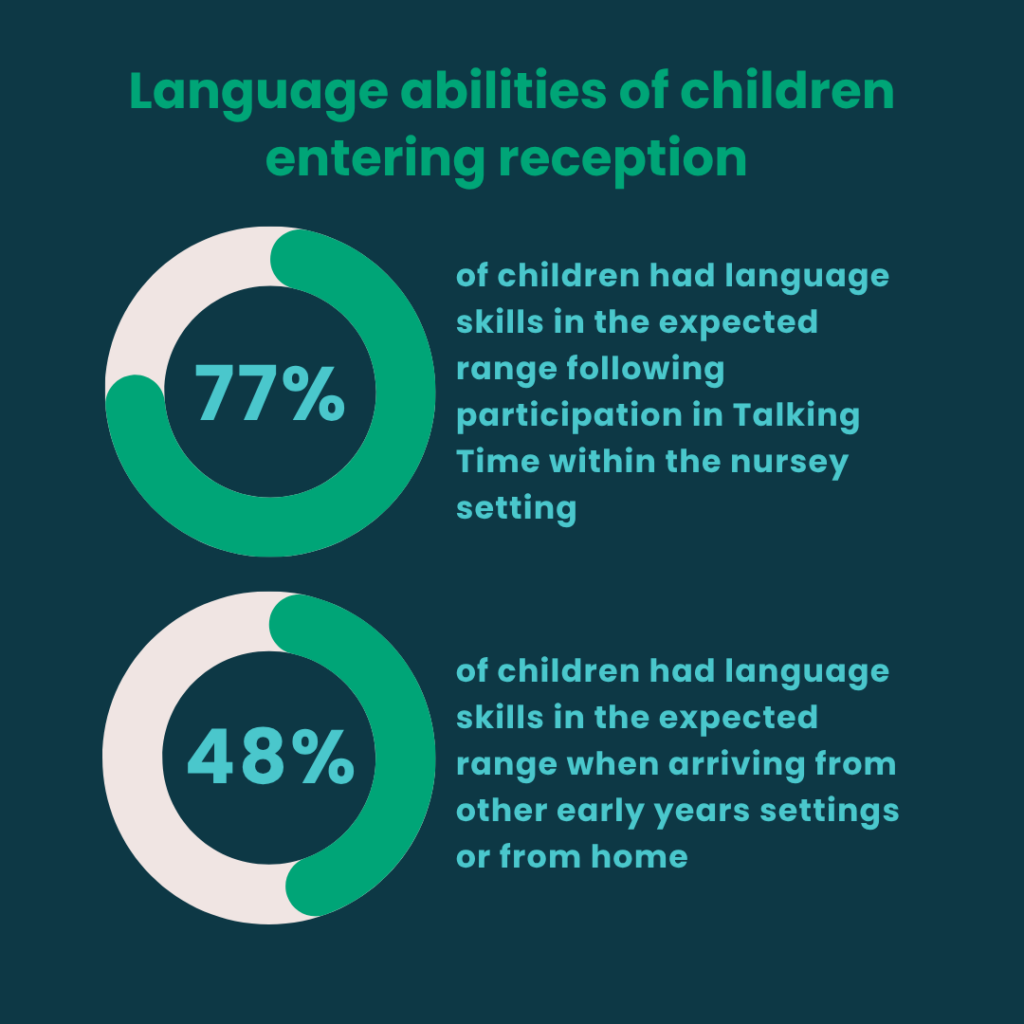
More than three quarters (77%) of children whose nursery implemented the Talking Time programme entered reception in 2025/26 with language skills in the expected range, compared with just under half (48%) of children arriving at reception from other early years settings or home.
These encouraging results have emerged because of a partnership approach between Thrive at Five and a cohort of participating schools in the Abbey Hulton and Bentilee areas of Stoke-on-Trent. By introducing Talking Time, a universal oral language programme in nursery settings, followed by continued support in reception for those who needed it, using the Nuffield Early Language Intervention (NELI), strong gains have been achieved.
Early strides made in nursery
The Schools Pathway Report 2026 shows that children attending nurseries delivering Talking Time have made encouraging progress in their language development across three successive years.
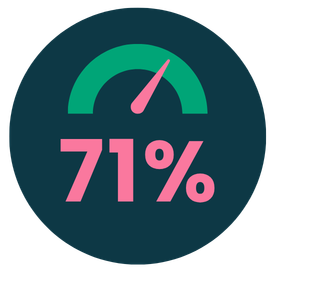
In the most recent year, 2025/26, following the introduction of Talking Time, 71% of children with the highest level of language difficulties progressed out of this category, with just under half of them (41%) moving into the expected range for their age.
Closing the language gap in reception.
For children who continue to need additional language support when they reach reception, NELI provides a targeted intervention designed to accelerate progress.
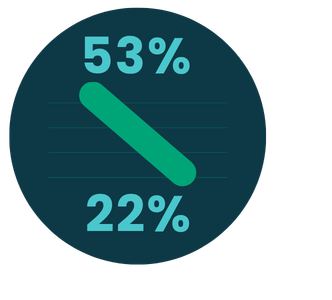
Children participating in NELI have shown strong improvements across four years of delivery. In the most recent year, the proportion of children with the greatest language needs more than halved, falling from 53% to 22%.
Children receiving NELI also made significantly greater progress in their language scores than children who did not receive the intervention. On average, their scores improved by 11.1 points over the school year, compared with 5.8 points for children not receiving NELI.
Early language support linked to less need for intervention in reception
During the fourth year of NELI delivery, reception teachers reported that children arriving from nurseries delivering Talking Time appeared better prepared for school and were less likely to need additional language support.
To explore whether these observations were reflected in the data, the report compared children who had attended nurseries delivering Talking Time with those arriving from other early years settings or home.
The findings were encouraging. More than three quarters of children from Talking Time nurseries started reception with language skills in the expected range, compared with less than half of children from other settings or home.
The power of delivering the right support at the right time
Together, these findings tell a powerful story of how Thrive at Five’s work alongside schools and local partners in Stoke-on-Trent has contributed to improved communication and language outcomes and to wider strengthening of the local early years system.
Across four years of NELI and three years of Talking Time, both interventions have become embedded within local practice and have demonstrated positive outcomes for children.
The most important finding from the emerging evidence is that support works best when it forms a continuous and evidence-based pathway, with universal support in nursery followed by targeted intervention for children who need additional help in reception. It suggests that early investment in children’s language development may reduce the need for later targeted intervention.
A key part of the success has been Thrive at Five’s investment in dedicated Higher Level Teaching Assistants (HLTAs). They share their time across schools and academy trusts, providing specialist support and quality delivery of the evidence-based interventions. Additionally, Talking Time is moving towards a Train the Trainer model, supported by the Local Authority, helping to further develop local expertise and create opportunities for wider adoption.
However, sustainable improvement depends on more than effective interventions alone. Building workforce capability, strengthening partnerships and embedding evidence-informed practice all support the conditions for long-term improvement.
By providing the right support at the right time, more children are developing the language skills they need to succeed in school and beyond.
Aida Cable, Chief Executive, Thrive at Five said: “Thrive at Five’s work with partner nurseries and schools is showing very clearly the positive difference we can make to children’s language and communication when we invest in, and support, the quality implementation of multiple, joined-up evidence-based interventions through training, additional capacity, and shared resources.”