

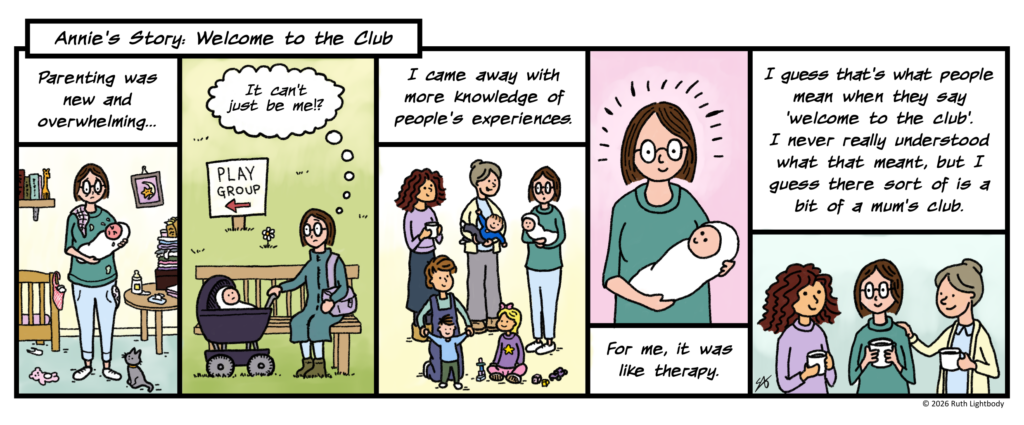

Why playgroups matter
Parent, carer and baby groups (often referred to as playgroups) take place every day in communities across the UK. They are run by volunteers, parents, churches, organisations, private businesses and charities.
Playgroups provide parents and carers with much-needed support. They are places where families can develop long-term support networks and friendships, build skills, and navigate the often-challenging transition into parenthood or grandparenthood. Parents can watch their children grow and begin to navigate their first social interactions with other children.
Two key areas have recently emerged as reaching pandemic levels of seriousness. The first is poor maternity care and a lack of available support for new families, and the second is baby and toddler development.
Great strides have been made through community and grassroots campaigns in Scotland calling for greater awareness of the right to defer children’s entry into school, (for example the Give Them Time campaign) and through the work of organisations including Thrive at Five and Early Years Scotland in supporting early development and play. Despite this, playgroups continue to be consistently overlooked for both the work they do and the importance they play in the lives of new and existing families.
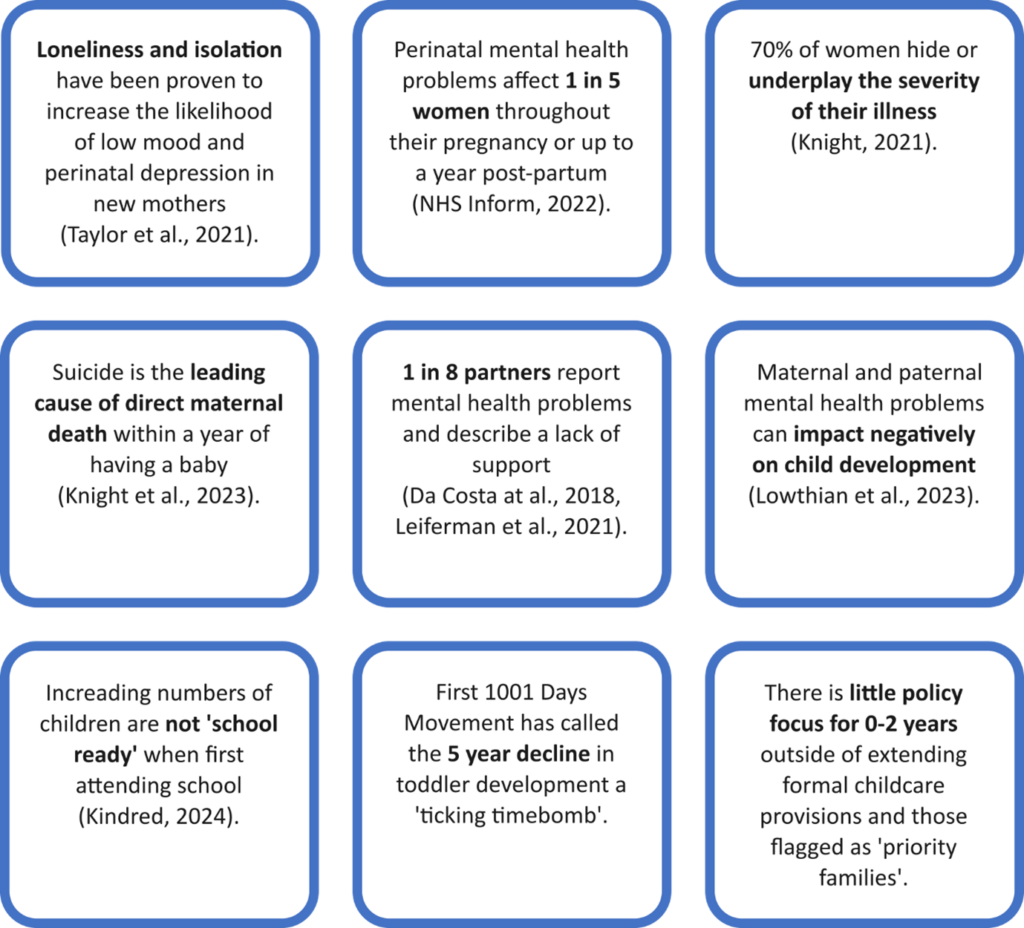
What playgroups really provide
Playgroups can look different and have different purposes: some follow a curriculum and are carefully structured, while others are more informal, providing a space for parents to come together for a tea, a chat and an opportunity for their children to play. Parents often begin their time at a playgroup with a new baby and navigate the very challenging first year of parenthood. For many, this is a longer-term place to visit as families grow.
In a recent study, parents identified two clear reasons for using playgroups. First, they felt lonely at home and were actively seeking company and friendship. Second, they wanted to bring a sense of routine or ‘normality’ to the feeling of limbo that maternity leave can bring — to get out of the house and give the day purpose.
For many parents, leaving the house is no small feat, and attending a playgroup can represent a significant achievement for that day. This is particularly important as community centres, libraries and similar spaces across Scotland and the wider UK are increasingly underfunded or disappearing altogether. This reduces opportunities for parents to meet others organically, especially during winter months when poor weather can intensify isolation. Playgroups provide a consistent place to go that is less dependent on the weather.
Research also highlights that playgroups do more than provide structure or social contact. They play a deeper role in supporting families and children.
Playgroups as a safe space
Building a village
Playgroups create spaces where parents can spend time with their children in a learning environment, enabling them to observe and join in as their children explore new settings and develop crucial life skills. This helps parents and carers build deeper bonds with their children by better understanding their interests, whether toys, activities, books or people, and by observing how their child interacts with others.
The research found clear evidence of community parenting — ‘a village’ — with members supporting one another by swapping resources and advice, helping to navigate tricky behaviour or developmental regressions, keeping a watchful eye on adventurous toddlers, or entertaining a child while a parent feeds or tends to another sibling. Through this, children become more confident interacting with other adults and develop a wider safety net of trusted relationships. Long-term bonds are formed, nurturing a sense of belonging and shared identity.
By being part of a playgroup, parents also grow in confidence. Learning comes through conversation, shared stories and observing others, enabling members to explore different approaches and recognise that there is no single ‘right way’ to parent.
Importantly, research shows that playgroups provide peer support during times of trauma and crisis. Trauma can take many forms, including loss of identity, isolation, feelings of hopelessness, birth trauma, sleep regression, feeding difficulties, Covid-19 lockdowns, immigration challenges, health issues, economic pressures and family breakdown. Many members described playgroups as a ‘safe space’ where they could unburden.
Children benefit from the consistency of weekly routines and from having a safe, familiar place they may return to throughout their lives, such as a community centre, church hall or library. These spaces allow children to explore while knowing they can ‘check in’ with a trusted caregiver. Parents become more aware of developmental milestones, and while this can sometimes create pressure, many parents described joy in celebrating milestones together or receiving reassurance and support when progress took longer.
Playgroups can be used solely during the perinatal stage, or their impact can be felt for years. Members may make one lasting friendship or many. Very often, a playgroup provides what its members need at that time. They are shaped by their members, reflecting the skills and strengths of organisers and volunteers, and evolving as leadership changes.
Crucially, there is no one-size-fits-all approach. Playgroups do not work for everyone, and there are barriers and areas for improvement.
Barriers families face
Where can playgroups improve?
Some parents reported feeling awkward, overwhelmed or unwelcome, particularly when existing friendship groups felt hard to break into. Male participants shared concerns about impinging on what they perceived as women-only spaces.
Other barriers included lack of awareness of local groups, limited transport options for those who do not drive, and the challenge of finding groups nearby. Online booking systems were frequently cited as a barrier, as babies are unpredictable and flexibility is often essential.
Timing was also an issue, with some groups scheduled during nap times or school pick-up hours for families with older children. Cost can be another barrier. While many groups are subsidised or operate on a pay-what-you-can basis, regular attendance can still add up.
Ensuring playgroups are inclusive and responsive to their communities is essential to their long-term sustainability.
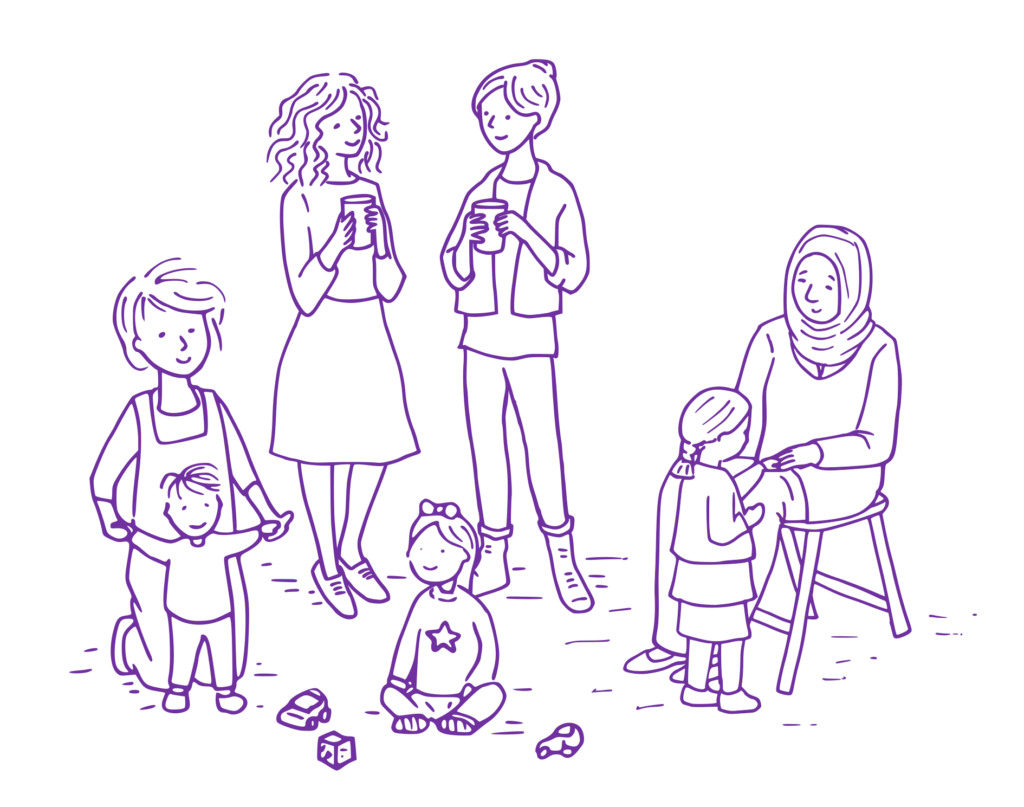
Designing playgroups for everyone
There are practical steps that can help make playgroups more inclusive and accessible. This is not an exhaustive list, and further work is needed by local authorities and umbrella organisations to support volunteer and charity-run groups.
Signpost accessibility information clearly
Many people attend a group without reaching out in advance. Clear information about accessibility, buggy storage, transport links, toilets, changing facilities, food and drink, allergies and languages spoken can reduce anxiety and make attendance feel more achievable.
Strengthen communication and visibility
Having someone manage social media or local publicity can help ensure groups are visible and welcoming to new families. Local newspapers and radio are often willing to help signpost community groups.
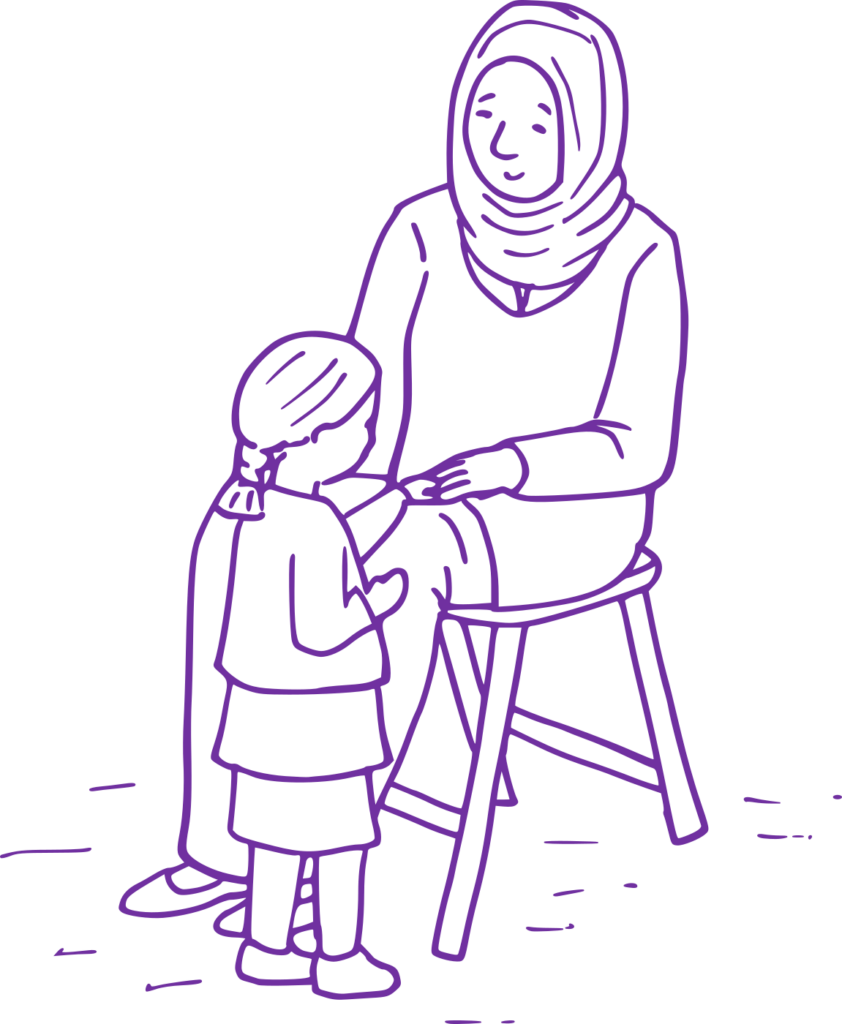
Make use of members’ skills
Encouraging members to share skills such as singing, crafts, dance, early years knowledge or local information can enrich the group and build a sense of shared ownership.
Seek wider support
Larger organisations such as Thrive at Five, Bookbug and Early Years Scotland can offer guidance, resources and connections. Linking with other services, such as health professionals or local leaders, can also strengthen groups.
Support volunteers
Volunteering should be enjoyable and manageable. Overburdening volunteers can lead to stress and burnout. Recognising people’s strengths and inviting them to contribute in meaningful ways can help sustain groups.
Ensure the group name reflects who it is for
Clear, plain language helps people understand whether a group is for mothers, parents and carers, or a specific audience. This is particularly important for those using English as an additional language or with limited literacy or confidence.
Allow flexibility around booking
Many parents value the ability to attend without booking in advance. Leaving space for drop-ins can make groups more accessible.
Appoint a ‘welcomer’
Groups that designated someone to greet newcomers were often described as more welcoming. This role can help ease awkwardness and support parents and children as they settle in.
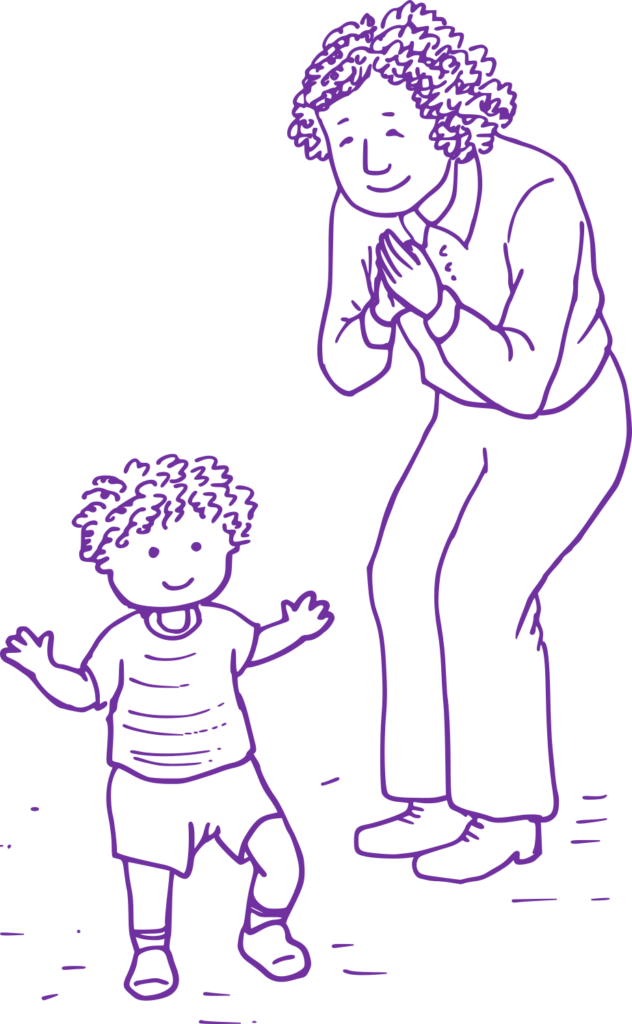
Why playgroups deserve more attention
Often volunteer-led and lightly funded, they remain an overlooked part of our early years landscape. Yet for many families, they are the first place they feel less alone.
Playgroups provide an invaluable service to families at the beginning of their parenting journey and beyond. They can be the starting point for lasting friendships, a source of companionship, or simply a place for a tired parent to pause and catch their breath.
They create learning environments, build communities and help form the ‘villages’ that families need. With greater attention and thoughtful support, playgroups can continue to serve present and future families, offering spaces that are inclusive, responsive and rooted in community.
Resources for starting or maintaining playgroups
- BBC, Tiny Happy People
- Childcare.co.uk
- Early Years Scotland
- Early Years Alliance
- Good Practice Guide for Parent and Toddler Groups
Further reading:
Early Years Scotland (2023). ‘Giving playgroups everything to play for’.https://earlyyearsscotland.org/playgroups-have-everything-to-play-for/
First 1001 Days Movement (2024) ‘A manifesto for babies’, https://ihv.org.uk/wp-content/uploads/2024/03/F1001D-Manifesto-for-Babies-FINAL1.pdf
Kindred² (2024) ‘School readiness: qualitative and quantitative research with teaching professionals’ https://kindredsquared.org.uk/wp-content/uploads/2024/02/Kindred-Squared-School-Readiness-Report-February-2024.pdf
Lightbody, R. and Oliver, H. (2025) ‘Playgroups as ‘a safe space’ for parents and families: the role of community based social support in the early years’. https://doi.org/10.59019/WQLY4322
Lightbody, R. (2024) ‘Women’s role in informal support systems: Supporting families and creating communities in parent and baby groups in Scotland’, Scottish Affairs. 33(3): 332-354 https://doi.org/10.3366/scot.2024.0512
Owen, A., & Anderson, B. (2017). ‘Informal community support for parents of pre-school children: A comparative study investigating the subjective experience of parents attending community-based toddler groups in different socio-economic situations’. Journal of Early Childhood Research, 15(2), 212–224. https://doi.org/10.1177/1476718X15597022
Maconochie, H. and McNeil, F. (2010) ‘User involvement: children’s participation in a parent-baby group’, Community Practitioner, 83(8): 20-23