


“Good relationships keep us healthier and happier. Period.”
Waldinger and Schulz, The Good Life
The Harvard Study of Adult Development is one of the world’s longest running studies. It has followed a group of people and generated a vast amount of data and some incredible insights into what makes for a ‘Good Life’ – the title of the book written by the study’s current directors. And what is the conclusion?
Well, what matters above all else is… the power of our relationships. In Robert Waldinger’s TED talk on the study he says, “The people who were the most satisfied in their relationships at age 50 were the healthiest at age 80.”
In schools, as in life, nothing is more fundamentally important than the relationships that we form: with the children, with each other and with parents. They are what can make the job a joy or a chore. They are what can support the children and their learning or be the greatest barrier. Ultimately, so much of what we do comes down to the effectiveness of the relationships we form.
There is no greater trust than handing your child over to someone else and hoping they will care for them as you do. This is doubly so for younger children and exponentially so when you are leaving your children with someone else for the very first time. Trust comes through strong relationships.
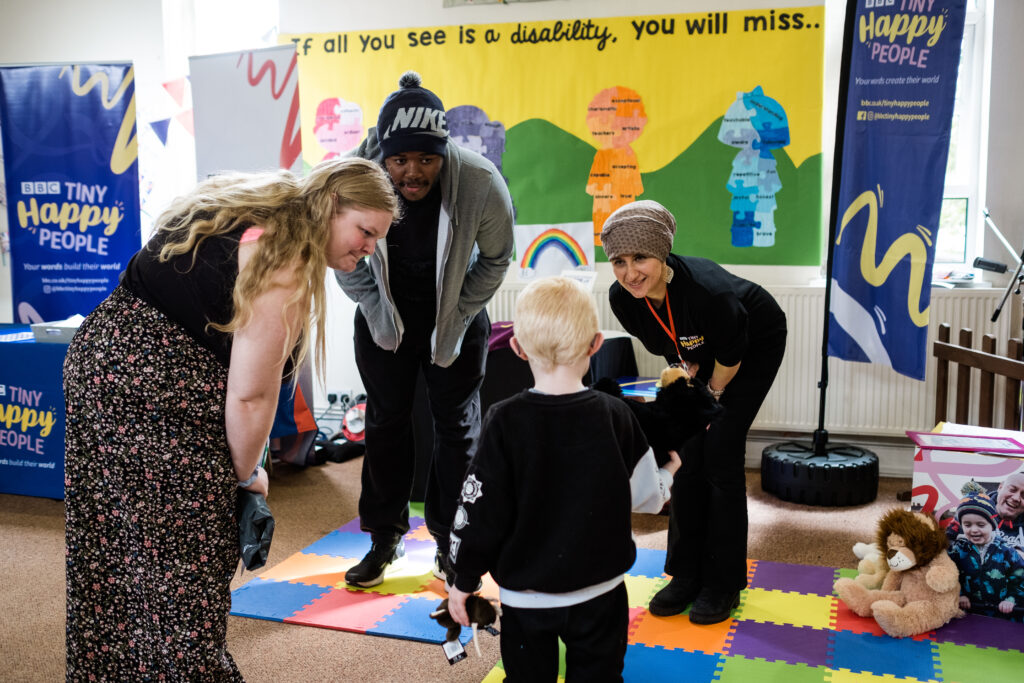
The saying ‘parents are a child’s first teacher’ is an old adage for a reason. By the time children come to school, they have already amassed a vast amount of knowledge and developed at the fastest rate they will ever develop. That’s why the work of Thrive at Five is so fundamentally important. We have to work with parents if we want to achieve the best for their children. Mornings, evenings, weekends and holidays, children are with their parents. We have a fraction of the year to work with them. If you can work in partnership, the impact can be significantly increased.
Parents can also be our greatest cheerleaders and provide vast additional support, ideas and encouragement. Whether that is formally through PTAs, by connecting us with their working lives and the opportunities these present, supporting other parents and families, or providing us with their unique perspective into the school and their child’s experience. All of this can be invaluable and it all starts with building positive relationships.
Finally, we live in a challenging world and we work in a challenging environment. Poverty, increases in special needs, global conflict, polarisation, technology. Everywhere there are challenges for children, for families and for schools. We can only overcome those challenges together. Children need consistency and we need to tackle the challenges we face in partnership.
Building effective relationships
What do you stand for? Do you know? Do parents know? Does it match their experience?
All schools will have vision or mission statements. Many will have a list of values or similar. The biggest gap I tend to see is between these and the daily lived experience for children, families and staff. If you value kindness then attendance policies and systems need to be kind. If you are ambitious then your inclusion approaches should be ambitious. If you believe in community then your Parents’ Evenings should reflect this.
Having a genuinely shared understanding of what the school stands for and what it values and then living this is a crucially important starting point for effective relationships. So often relationships are hampered by a breakdown in shared understanding which leads to both parties arguing along different lines. If you are clear from the outset what the values are and how this plays into expectations for attendance, behaviour, achievement, curriculum, school events, inclusion etc, it will be the strong footing you need to build effective relationships.
Warmth and empathy are another fundamental component. Parents may well have had negative experiences of school or be uncomfortable with the perceived power dynamic. Taking the time to really listen and hear what is not said as well as what is said is so important.
Consider the environment. Are they coming into your office? Are they calling you Mr/Mrs while you are using mum/dad? Creating spaces where everyone can interact and feel safe are great enablers for relationship building. Plus not waiting until something has gone wrong. In the first half-term each year, all staff make sure they speak to every parent about something wonderful that has happened with their child. It might be a friendship, some great learning, a particular talent they’ve shared. This is one way we start to create those connections. Parents’ Evenings include a range of stalls and communal spaces for parents to sit and connect as well as the always popular food tasting. These create opportunities for informal chats and relationship building.
In all of this, being warm, empathetic and open is key. People respond in different ways when they feel excluded, othered, or stressed. Sometimes this can be withdrawal and putting up barriers. At other times it can be aggressive and confrontational. Ultimately, we always have a joint purpose – what is best for the child. Bringing conversations back to this. Showing the commitment we have on both sides to the child. And truly listening to understand so that you can work together for the best outcome.
Creating opportunities to come together
Considering parents’ touchpoints with schools is another vital area. Children will vary in what they share and how much they share. For many parents, this plus the drop-off and pick-up experience, Parents’ Evening, newsletter, and possibly a Summer Fair or Sports Day, is their main experience of the school. What is the experience when they come into the office or call? What do they see when they come for drop-off and pick-up? What is in the first – and last – newsletter of each term? Ultimately, how does all of this link back to your vision and values?
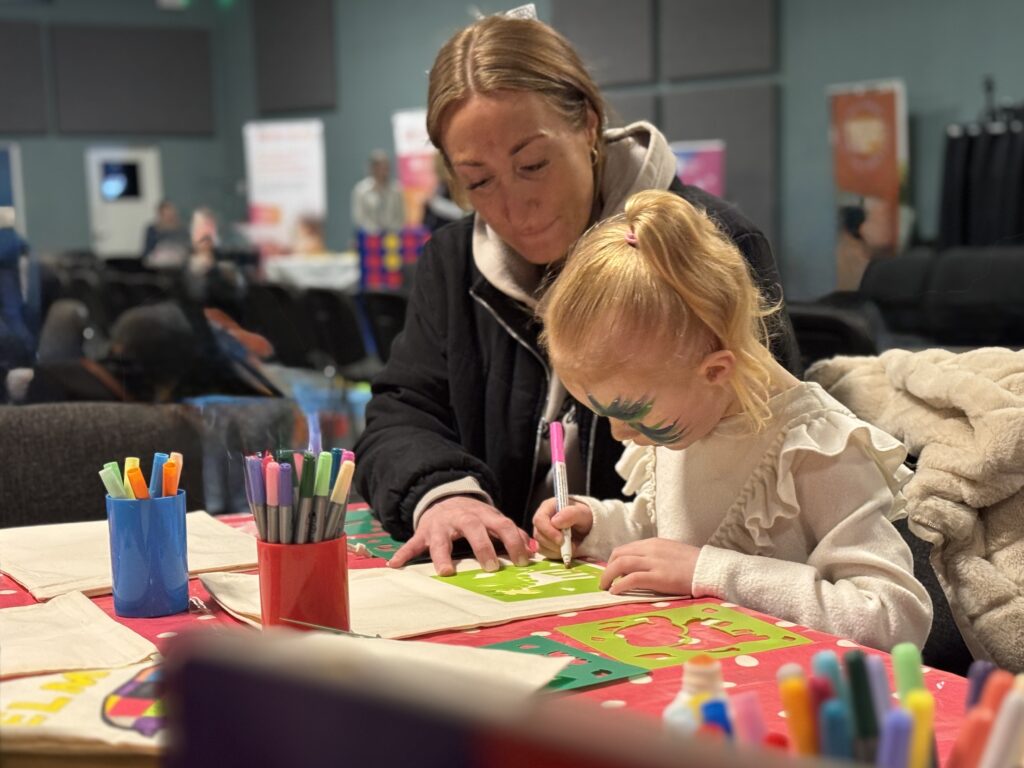
Beyond that, what other opportunities are there to come together? We introduced ‘Learn with your child’ sessions, where parents can come and experience lessons alongside their children in different subjects. Opportunities for parents to come into Nursery or Reception settings to settle children, share their learning and progress, and support further learning are great ways to build that bond and trust early on.
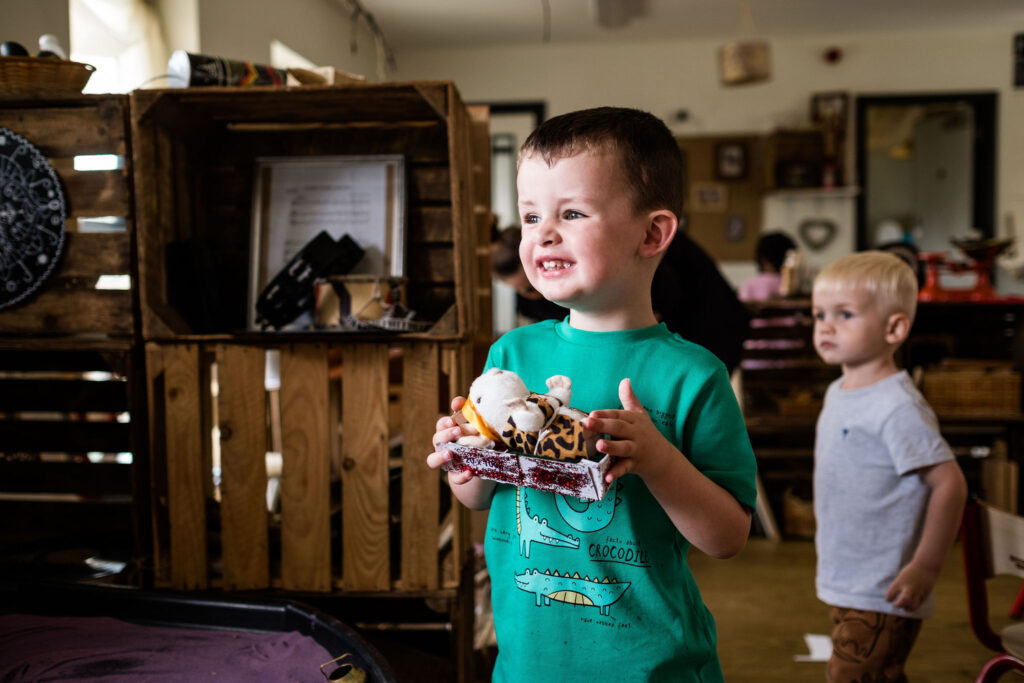
Importantly, what happens between a child being given an offer of a school place and starting school? Thrive at Five’s work with Mouse Club [a scheme where children are given a toy mouse, which early years professionals then use with them and their parents to help with the transition to school] is a great example of how to effectively bridge that gap. What information is shared with parents? Are there opportunities for children to visit and spend time in the space before September? Do they know what their teacher will look like? We have Stay and Play sessions for pre-school children – run by a couple of our parents – which both provide early opportunities for connection but also support transition for children.
Ultimately, consider how to work together. What is right for your community? What brings people together in a way that levels the playing field and supports the building of authentic, trusting, reciprocal relationships?
If we want to achieve the best for children, it can only be done by truly working together. There are no easy shortcuts to this. Relationships take time and commitment on both sides. The more we can provide opportunities, be empathetic and open, and work towards a shared goal, the better chance we have of being successful.