

"What happens to us in our early years impacts lifelong physical and mental health"
Professor Elizabeth Rapa Oxford University
Let’s dive right in: early life experiences profoundly shape brain development. I’ve dedicated over two decades at the University of Oxford to mitigating the impact of physical and mental illness on children’s development. The Oxford Brain Story project, co-led with Dr Louise Dalton, simplifies the principles of brain development using powerful metaphors.
During the Thriving Babies Brains session, I walked through each metaphor, starting with Brain Architecture. The initial years play a pivotal role in building our brains, with rapid development in the first 1001 days and another surge during adolescence. Early experiences determine which brain circuits strengthen or prune, impacting cognitive, social, and emotional development.
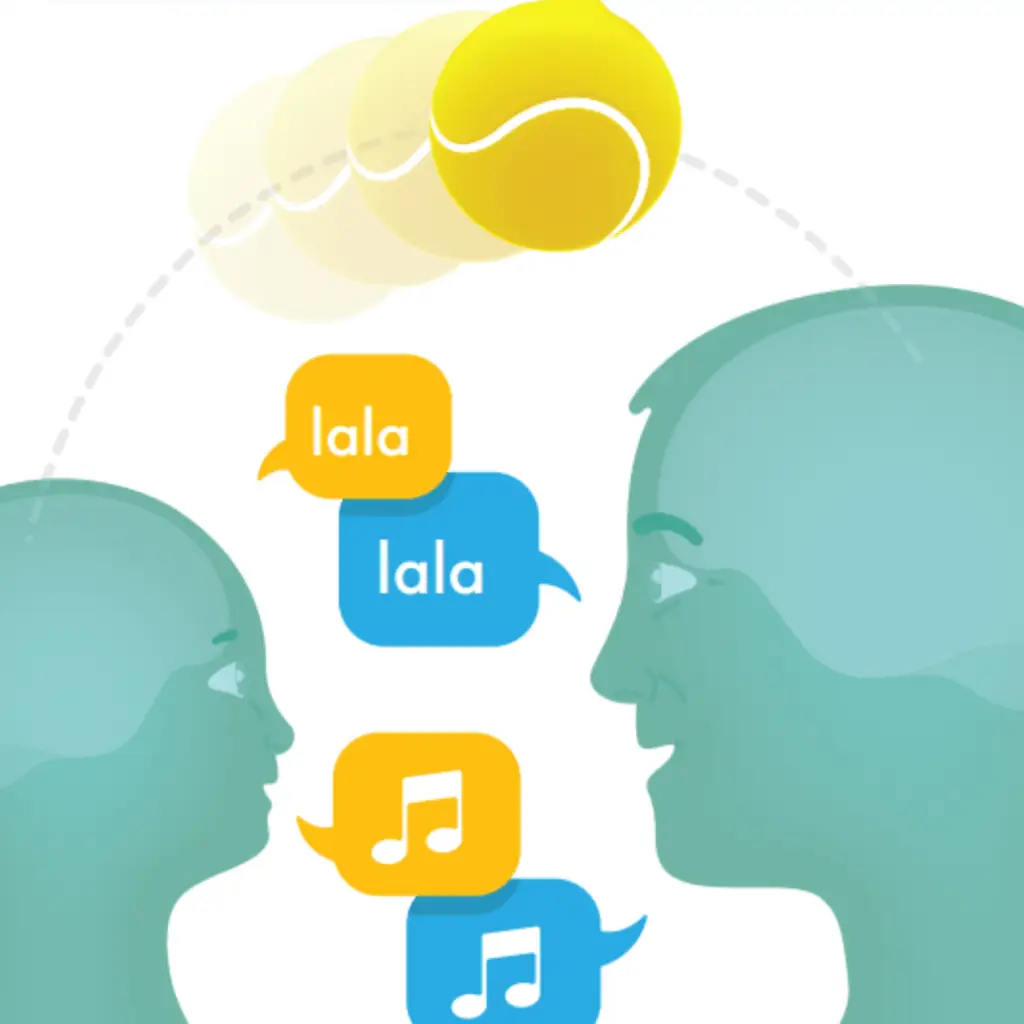
Serve & Return
Crucial to a child’s sturdy Brain Architecture are responsive adult relationships. “Serve-and-Return” interactions, akin to a tennis rally, build cognitive, social, and emotional skills. Other experiences, positive and challenging, also shape brain development. However, prolonged periods of Toxic Stress without caring adult support, can increase our risk of health problems later in life.
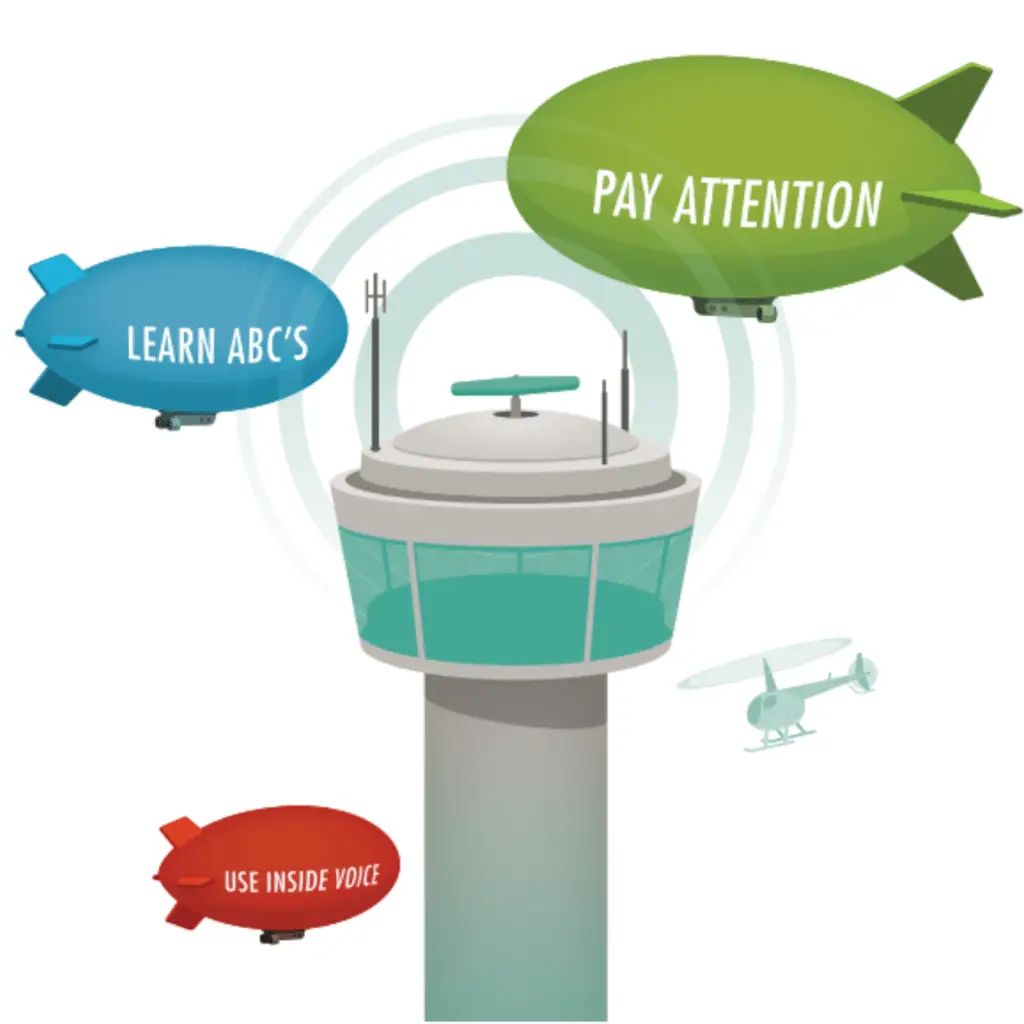
Air Traffic Control
Sturdy brain architecture supports the development of social and emotional skills, including self-regulation and executive functioning. “Air Traffic Control” serves as a metaphor, illustrating our brains managing various tasks simultaneously. These skills, vital for school readiness, are also lifelong, crucial for adults balancing multiple demands.
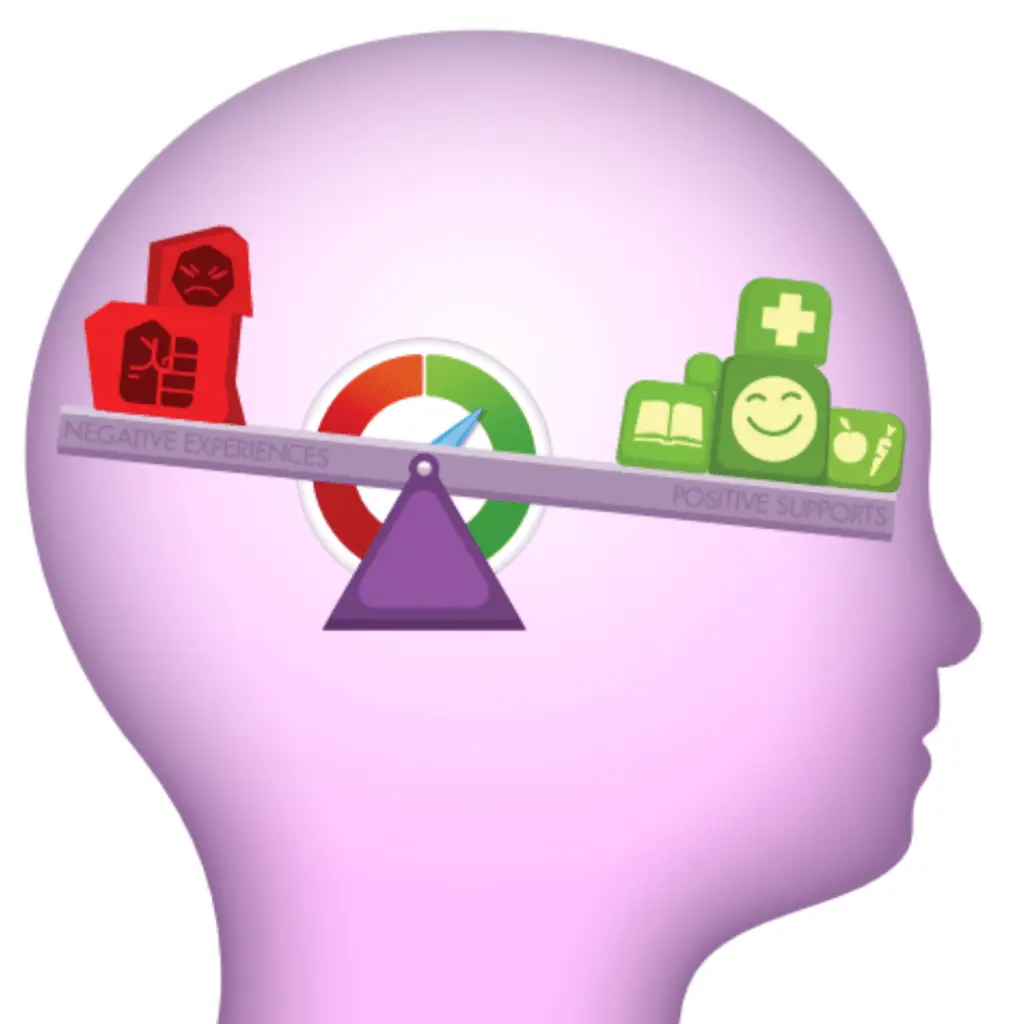
Resilience Scale
Bringing it all together, I introduced the Resilience Scale, highlighting the balance between protective factors (green boxes) and stress-inducing experiences (red boxes). The scale, overloaded with red boxes, tips towards negative outcomes, while more green boxes lead to positive outcomes. By reducing stressors, promoting skill development like Air Traffic Control, and increasing supportive factors, we can enhance resilience on an individual and community level.
In conclusion, each of us has our unique Brain Story—whether as individuals, professionals, or community members. I hope to have illuminated the scientific foundation behind your daily efforts in building brains and a brighter future!
To find out more please visit the website www.oxfordbrainstory.org. which covers everything you need to know for building brains for lifelong health.