

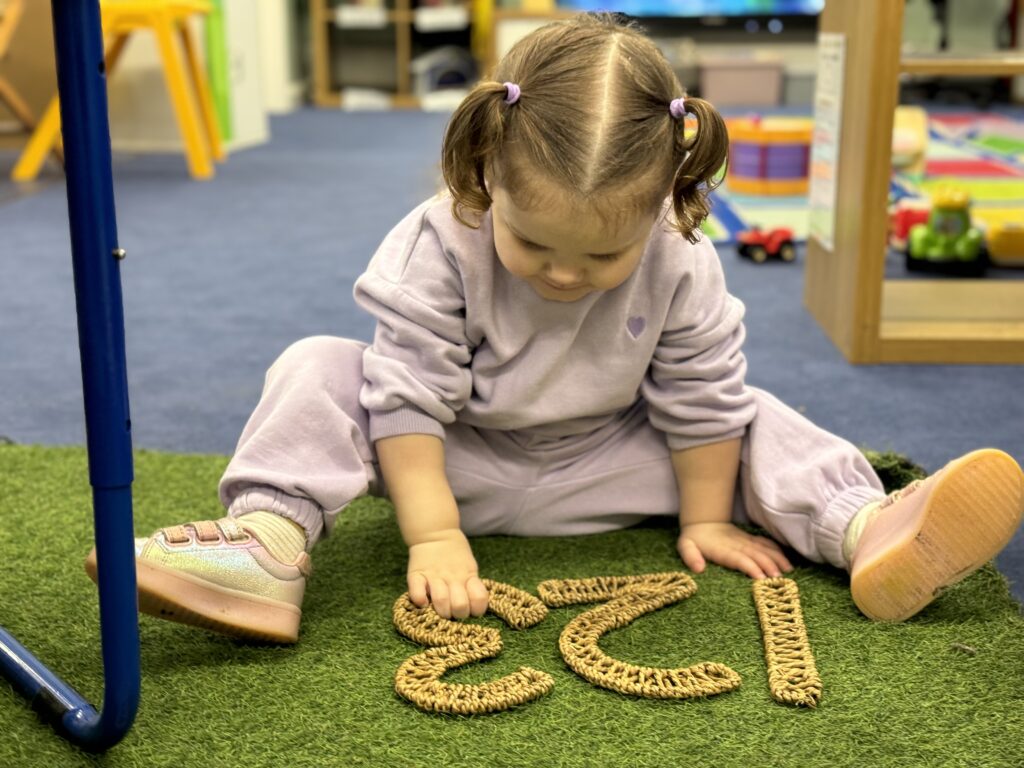
Early language and communication (ELC) skills shape a child’s long-term outcomes in school and in life. ‘Of all the socio-economic inequalities in child health and development’, say expert researchers Sheena Reilly and Cristina McKean ‘none is larger than those related to language’; adults who didn’t meet expected levels of development in speech and language by five are twice as likely to experience extended periods of unemployment and mental health difficulties. That’s why ELC is a key focus of our work, and why we work with partners to understand what local families need and to bring together the right combination of support across homes, nurseries and schools.
To do this, we take a two-pronged approach:
- We use evidence-based interventions and initiatives, such as the Nuffield Early Language Intervention, to support children and families directly
- We work to improve the underlying conditions that these interventions will be implemented within, as well as the wider early years system, so the interventions can be delivered effectively and sustainably
Even though most local authorities have early language and home learning pathways written into their strategies, these pathways are not always implemented consistently or at a scale that reaches all children who could benefit. Capacity is often stretched, staff training varies and the practical elements that turn evidence into day-to-day delivery such as time for practitioners to assess children, plan sessions and share learning are difficult to protect.
Thrive at Five works with partners to strengthen these underlying conditions. We help ensure that pathways are implemented well, facilitate and ensure training for practitioners and create structured opportunities for them to reflect on and share best practice. We don’t just do this in one school, but in and across all our partner schools. This not only pools resources, it encourages wider collaboration and sharing of insight, from how best to engage parents, learnings around delivery and implementation and possible solutions going forward.
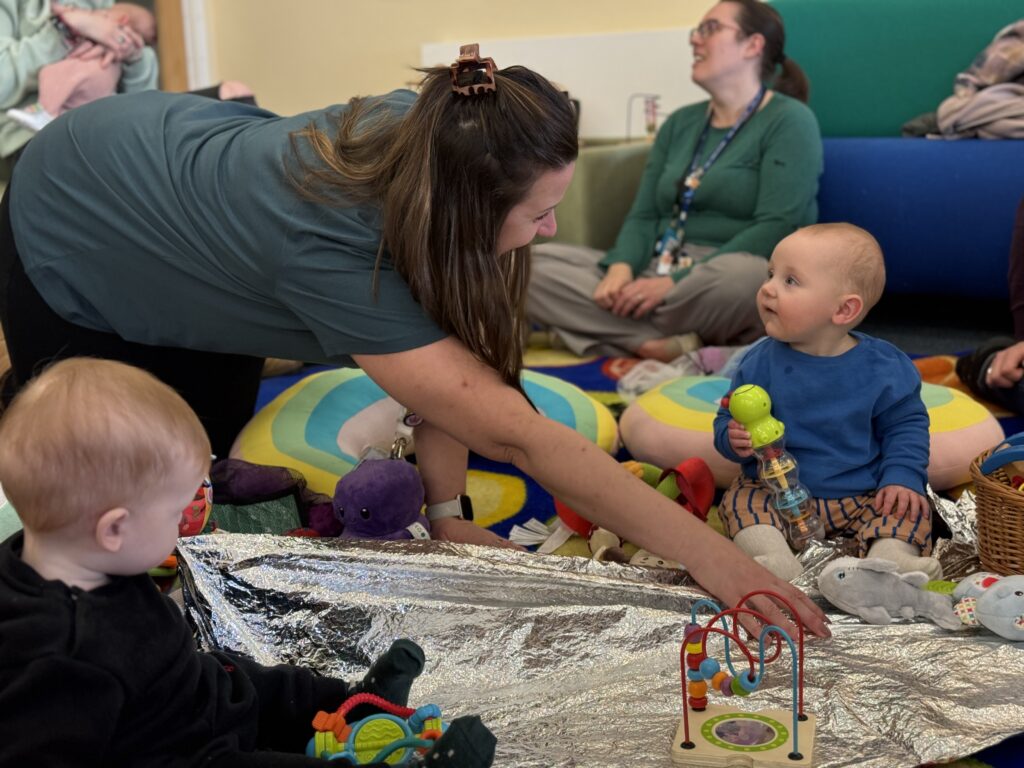
This year, for the first time, Thrive at Five delivered three evidence-based early language programmes alongside each other across nurseries and schools in Stoke-on-Trent. Why? Because no single programme can meet all needs on its own – children and families need different kinds of support depending on age, level of need and the environments they move through.
By running these three interventions alongside each other, we can provide support across a child’s journey, orienting around them at different ages and stages and ensuring we meet various levels of need, from children who would benefit from some additional support to build stronger early language foundations through to those who need more targeted, specialist help.
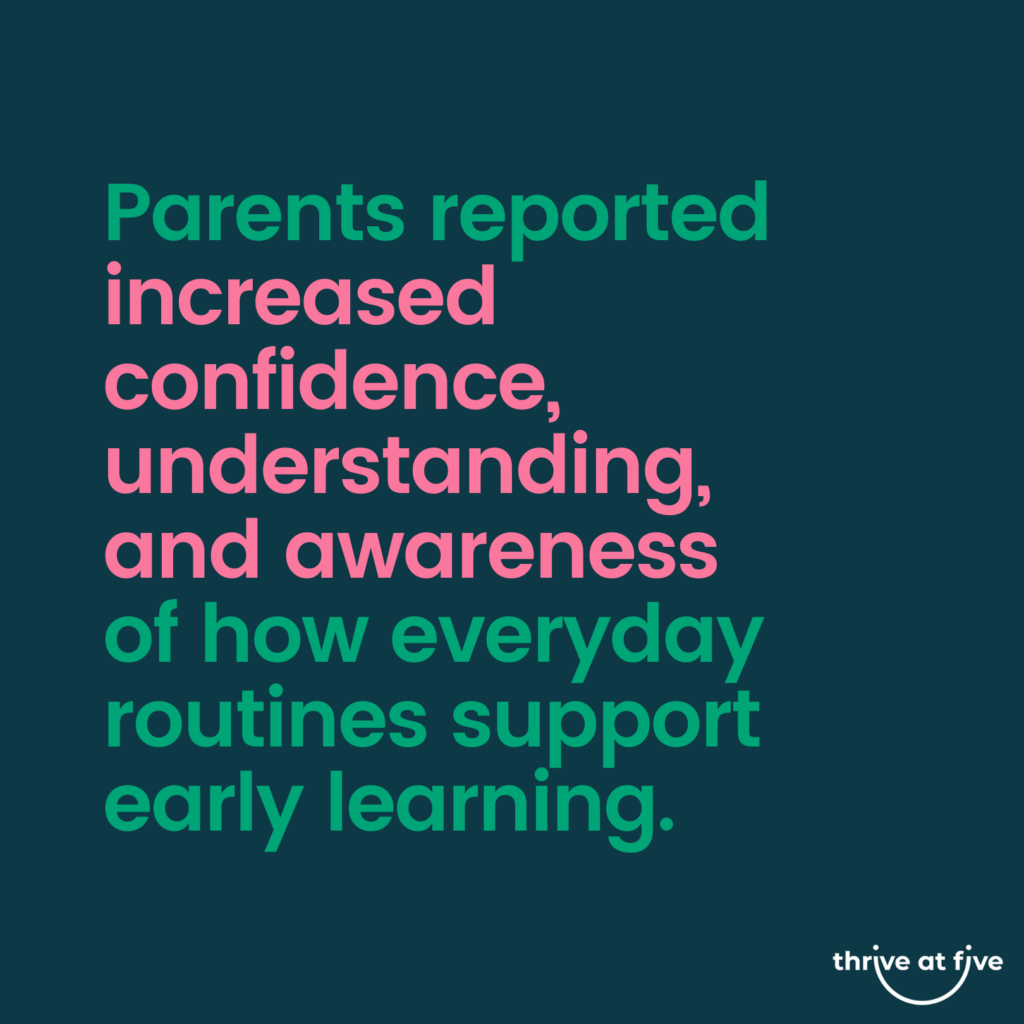
But there is another element just as crucial as nursery and school settings: the home learning environment. Every interaction across a child’s day is an opportunity for learning and communication, and research shows that the quality of the home learning environment has a greater impact on children’s development than parental occupation or income. PEEP strengthens this foundation by helping parents build confident, language rich interactions and simple everyday routines that reinforce what children learn in Talking Time and NELI, ensuring progress made in educational settings is nurtured and sustained at home.
Interventions
Talking Time
Age: Nursery
Setting: Early years nurseries
Delivery: Early years practitioners
Type of support: Universal whole class
Who it reaches: All children in a class, including those who may not yet be identified as having higher needs
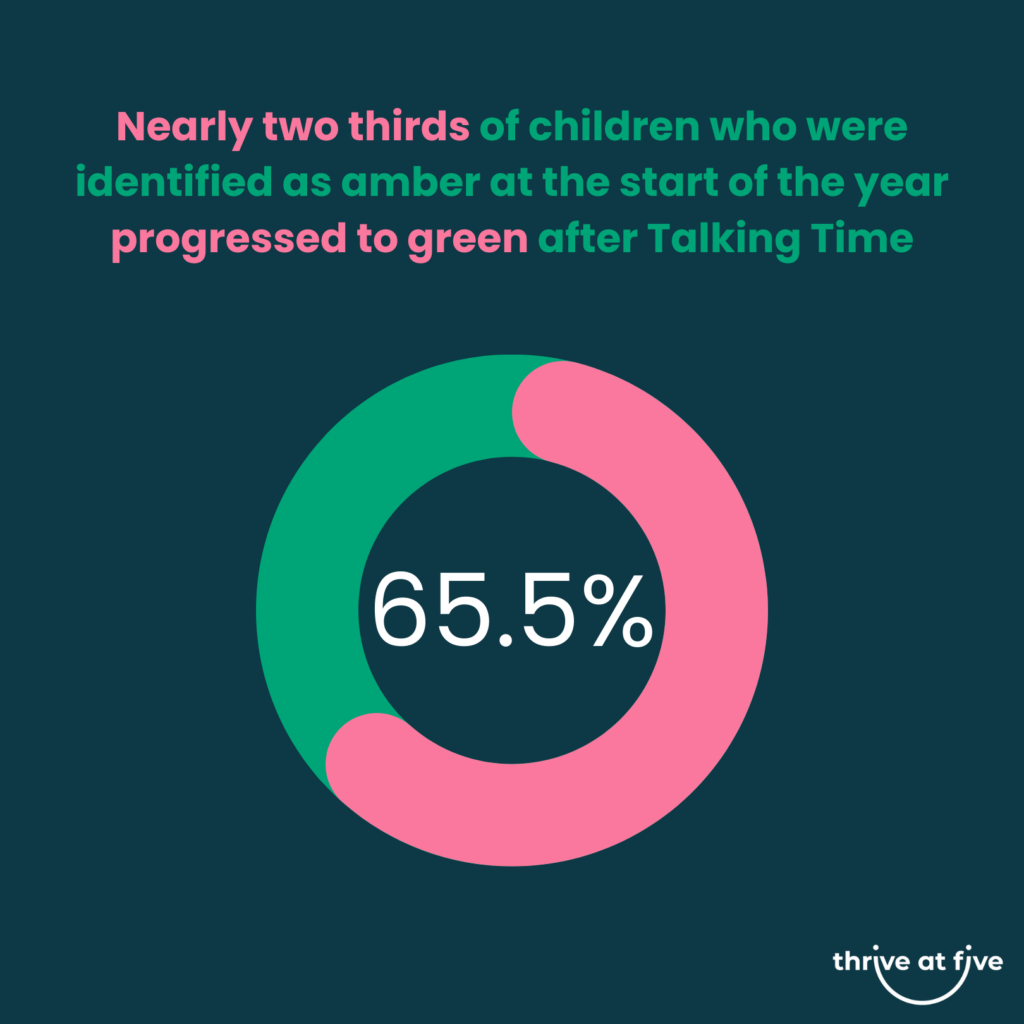
Talking Time builds strong foundations for communication and language development and helps create a language rich nursery environment. It supports early learning, early communication and later literacy. Because it is delivered through nursery settings, Talking Time strengthens everyday practice and helps practitioners identify children who may benefit from more targeted or specialist support as they move into reception.
PEEP
Age: Nursery
Setting: School nurseries with sessions delivered on site
Delivery: School staff and Thrive at Five Peripatetic Leaders
Type of support: Weekly group sessions focused on strengthening the home learning environment
Who it reaches: Parents and carers who are able to attend sessions, with the recognition that many more would like this support than current capacity allows
PEEP Learning Together strengthens a child’s home learning environment by supporting parents to build confident, language-rich interactions with their children. Sessions are flexible and often take place in nursery settings to strengthen the activities parents already do with their children.
Parents and caregivers shape children’s development long before formal education begins. Research shows that the quality of the home learning environment has a greater impact on children’s learning and social development than parental occupation or income. PEEP gives families simple tools, shared activities and everyday strategies that reinforce what children learn in nursery.
This makes it a core part of the system: the gains made in Talking Time and NELI are strengthened and sustained when parents understand how to support learning at home.
Parents told us that after attending PEEP, they were doing more reading, singing nursery rhymes, counting objects and steps around the home, recognising letters together on signs and packaging, and spending more time on creative activities like drawing and crafts. These changes strengthened children’s early language, literacy and maths skills.
Nuffield Early Language Intervention (NELI)
Age: Reception
Setting: Schools through small group or one to one support
Delivery: Trained teaching assistants or specialist staff
Type of support: Targeted intervention
Who it reaches: Children with identified speech, language and communication needs.
NELI provides structured, evidence-based support for children who begin reception with more significant gaps in their spoken language. Delivered in small groups or one to one, it accelerates communication development for children with higher or persistent needs and helps reduce the language gap before Key Stage 1.
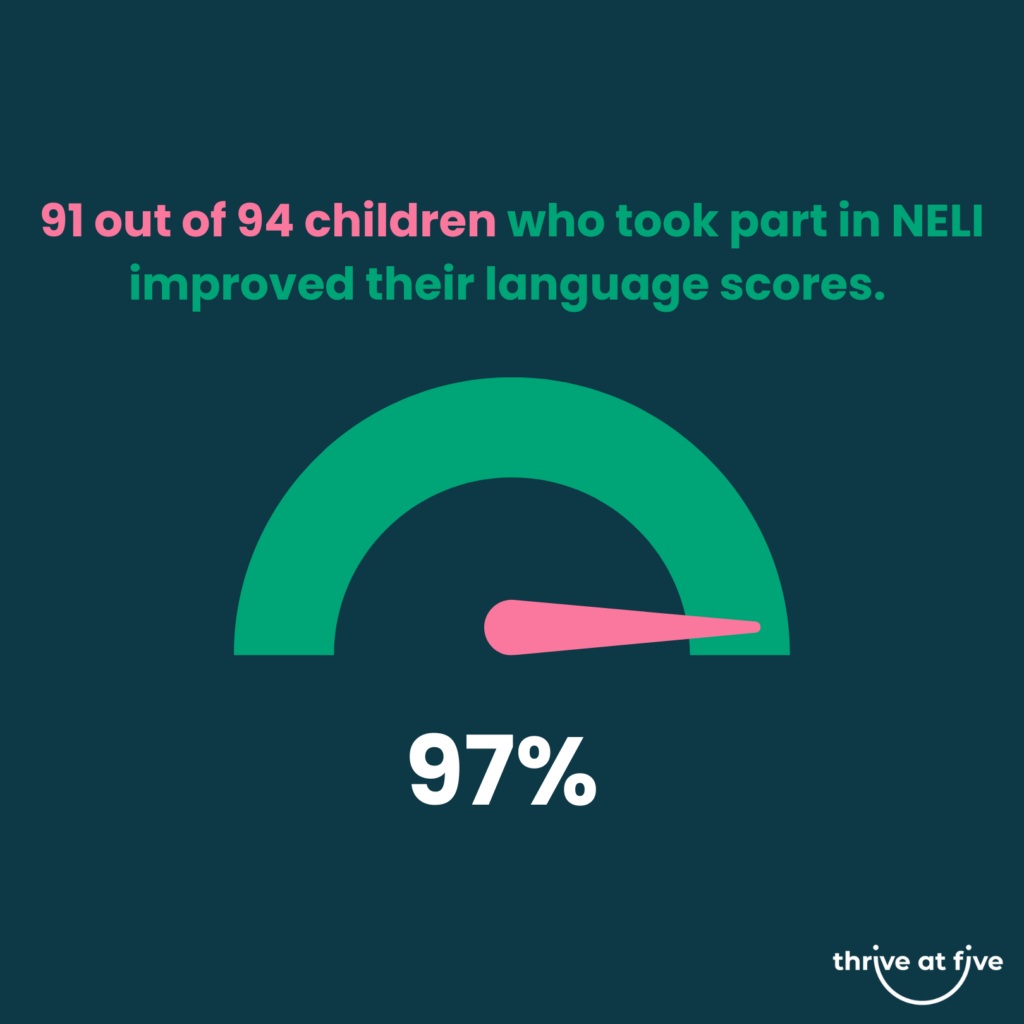
Together, Talking Time, PEEP and NELI support children and families:
- In different settings
- At different developmental stages
- With different levels of need
- Through different practitioners
This creates a progression of support that follows a child from home, to nursery, to school. The programmes reinforce each other and, together, create a connected, multi-layered approach which strengthens early language and communication across homes, nurseries and schools result in a combined impact is greater than any single intervention would achieve alone.
Together, these workstreams show how a joined-up offer can strengthen early communication and language development across the places children learn and grow. Each intervention plays a distinct role, but they are most powerful when delivered alongside one another so support can follow a child from home to nursery to school.
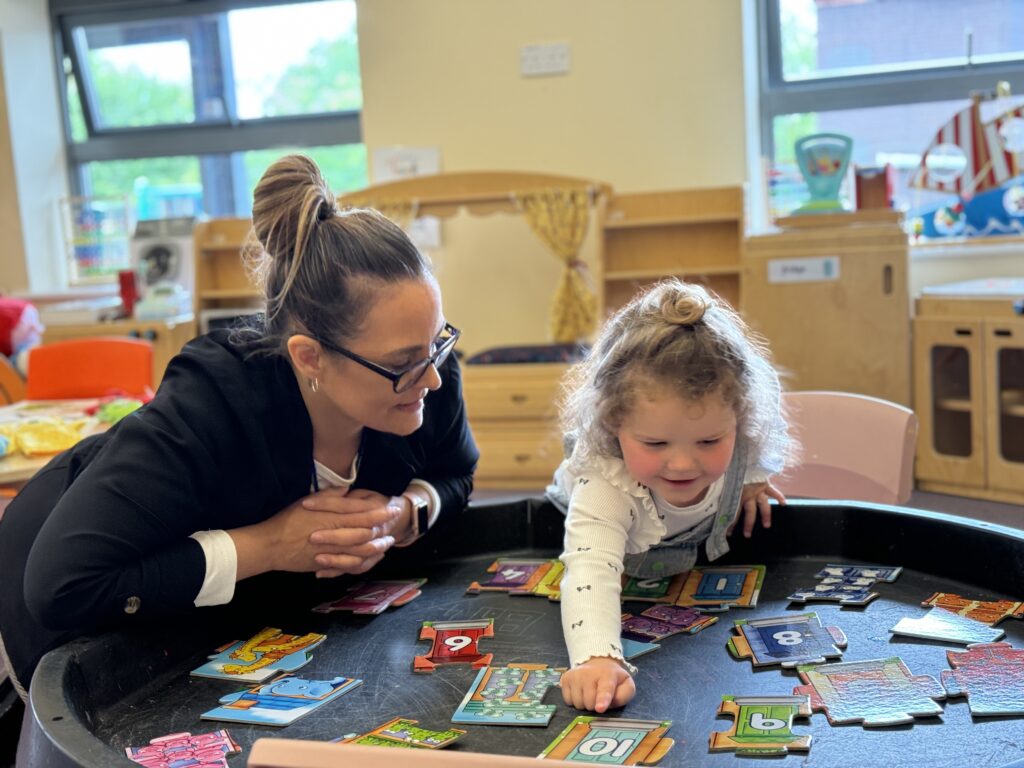
Their impact also depends on the conditions in which they are delivered, including trained practitioners, time to plan and assess, consistent approaches across settings and the practical capacity to reach families. Thrive at Five helps partners strengthen these foundations so that each intervention can be delivered as intended and can reinforce the others. By supporting partners to deliver interventions well and by using data to guide decisions, we help ensure that pathways are not only established but embedded and effective.
This is what enables a connected offer that follows a child across home, nursery and school and why implementation support remains a core part of our model. By working across the whole community, deeply understanding local needs, aligning partners around shared goals and coordinating practical delivery, we create the conditions for evidence- based support to bring about the best possible results over time. It also means families experience a more coherent and consistent offer so children benefit from holistic support and, crucially, in a way that families are playing an active and central role in.