

The two key drivers of strong early language development are:
-
- Experiences of language-enriching environments at home
- Language-enriching Early Childhood Education and Care (ECEC)
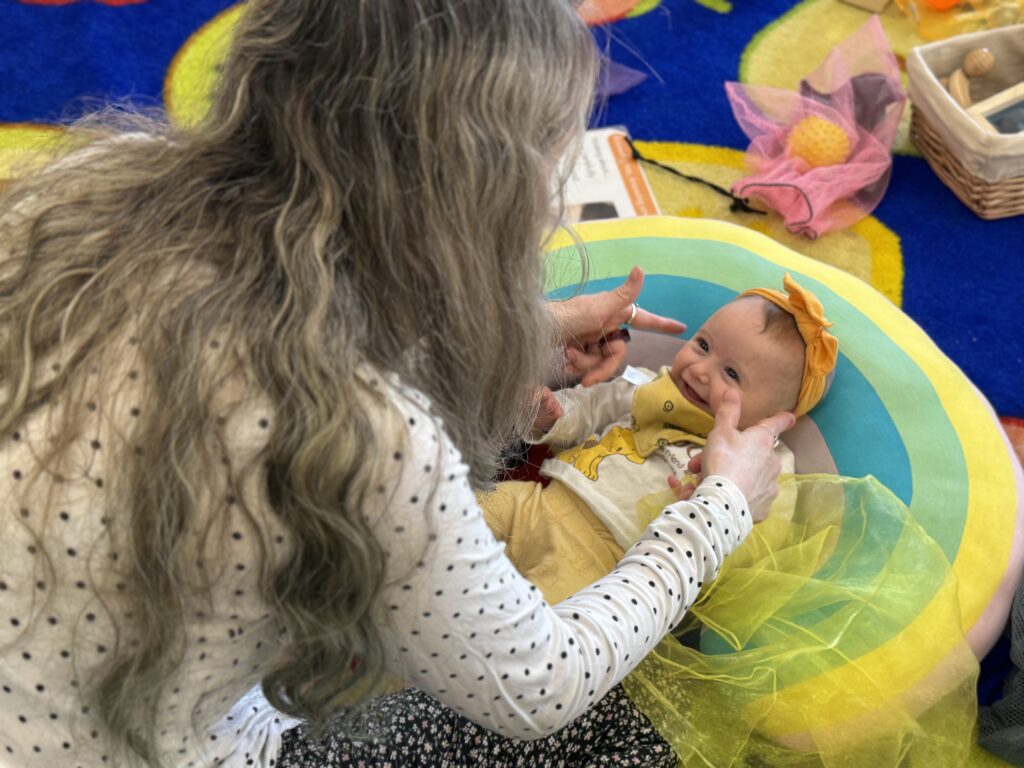
Early years educators play a crucial role in supporting robust language development for all children by creating these language-enriching environments and experiences. But what does language-rich mean? Here we draw on Here we draw on research by Laura M. Justice who suggests that a language-rich environment consists of five key elements: exposure, deliberateness, recurrence, high-quality input and responsiveness.
1. Exposure to rich, high-quality language throughout the day
2. Deliberateness in language and learning opportunities
3. Recurrence of language to support development
4. High-quality language input by varying the language children hear
5. Responsiveness* to the child’s attempts to communicate.
Making the most of every moment
It is clear that we need to make the most of every interaction, whether big or small, to create rich opportunities for learning and communication. To a naive observer of an ECEC setting, it is easy to overlook the level of skill dedication and knowledge of individual children’s abilities, personalities and communication styles which Early Years Practitioners use to support children’s language.
Research in the UK and internationally has shown that maintaining this focus on high quality interaction and language enriching opportunities is the hardest part of delivering high quality early years education.
Early years educators face many challenges to maintaining this focus and even where they are highly motivated and skilled, making it happen every day in the context of changes in policy, staffing, curriculum and children’s circumstances is not an easy task.
What can we do to keep a focus on language-enriching environments?
There are a number of strategies and resources which can help to keep language-enrichment ‘front of mind’ and translated into action. Drawing again on the work of Laura Justice and others, we describe 6 strategies below and provide links to a number of free useful resources.
1💡 Agree your philosophy for oral language in your setting.
It is important that everyone involved, educators, SENDCos, senior leadership, and parents, shares an understanding of the importance of language in the early years. Having a philosophy means having a set of principles everyone will translate into every day practices. It can be as simple as having a definition of what language is, a statement of why language is important for the children in our setting and a description of how we can all support language learning in our classrooms by making the most of every moment.
2💡 Identify your ‘language team’ IN your setting.
This team should obviously include all early years educators who interact regularly with the children but it is also vital that members of the senior leadership, and the SENDCo should be part of this team. Each member of this team should also understand what role they play in providing a language-rich environment. For example, identifying a ‘language champion’ that shares useful resources, attends and shares learning from training with the rest of the team and takes responsibility to keep language ‘front of mind’ can be a beneficial approach.
3💡 Identify your language team OUTSIDE of your setting.
People outside your setting can also contribute to a language rich environment. For example, SLT services in your area and Local Authority School improvement partners can provide useful support and resources. Collaboration of this kind can bring significant benefits for the children and the professionals through knowledge exchange, capitalising on the knowledge and skills distributed across the children’s workforce. Most importantly, we should also work with parents and carers to support them to create a language-rich environment at home.
4💡 Design the physical environment to support language.
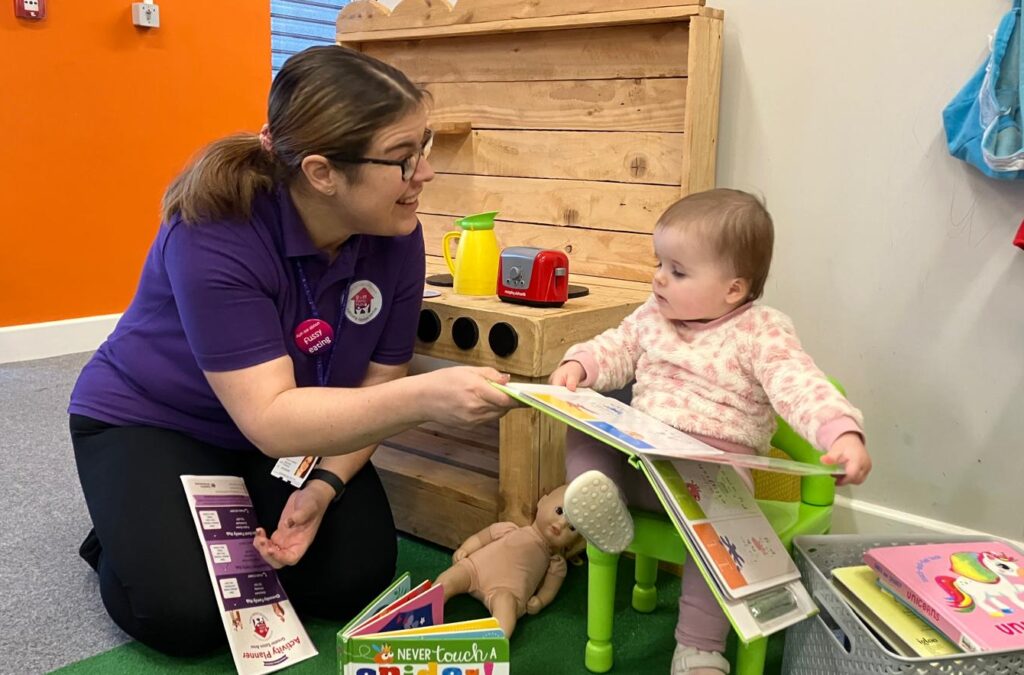
The way we organize the physical environment in ECEC settings can support language-rich interactions. For example, arranging specific areas to encourage small group cooperative activities, identifying books which promote interactive book-sharing, making real world and natural materials available etc.
5💡 Ensure quality adult-child conversations occur and efforts are sustained.
Even when educators are keen, skilled and knowledgeable, it can be very difficult to consistently provide high-quality interactions. Therefore, regular training and activities such as peer observation and peer feedback can be a very helpful way to maintain and develop these skills.
6💡 Design the physical environment to support language.
Ensure quality adult-child conversations occur and efforts are sustained. Even when educators are keen, skilled and knowledgeable, it can be very difficult to consistently provide high-quality interactions. Therefore, regular training and activities such as peer observation and peer feedback can be a very helpful way to maintain and develop these skills.
Useful resources
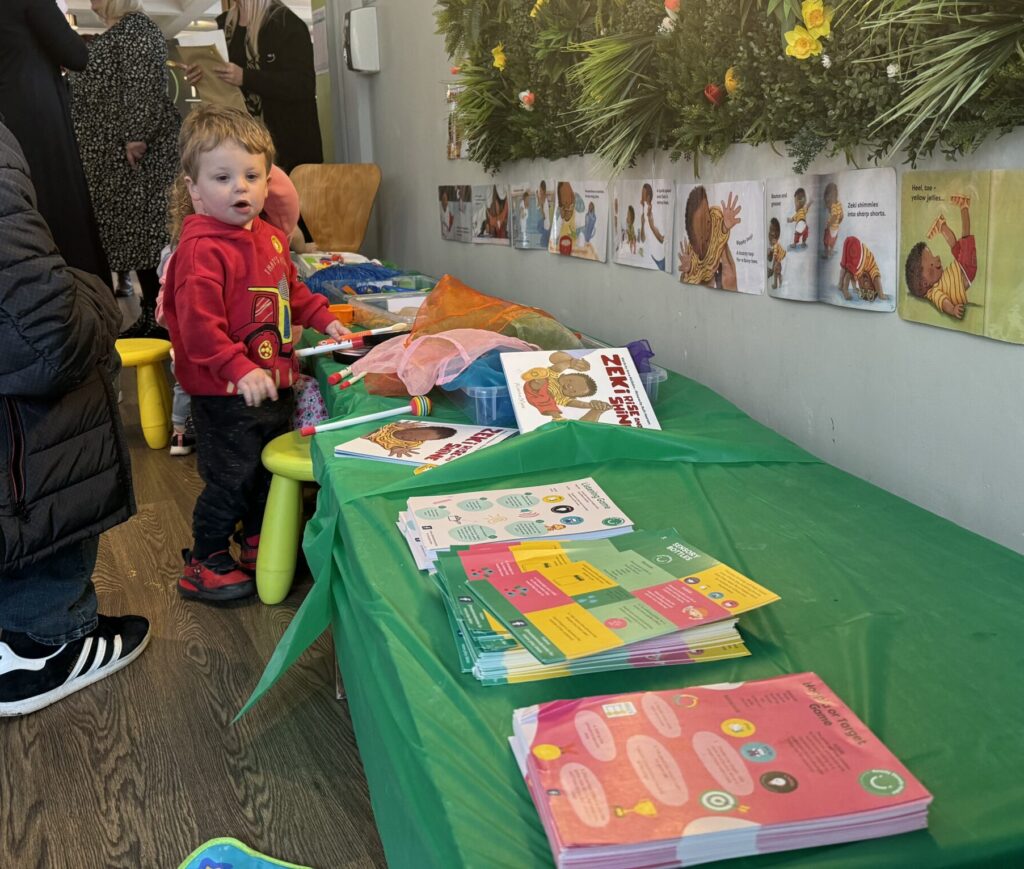
A number of free resources are available which can support the use of these implementation strategies. These include
🔗 The Communication Supporting Classroom Observation Tool – this observation checklist is designed to give a clear picture of the classroom’s oral language environment, opportunities and interactions and highlight areas for potential development.
🔗CBeebies Parenting (previously Tiny Happy People) provides a wealth of resources for parents to support them to provide language-enriching home learning environments.
🔗 The PaRRIS-E is a reflective tool to help educators work with their peers to reflect together on their use of responsive interaction with children and think about ways to develop their practice.
🔗 The LangQuest-EY is a questionnaire that educators can use to report on their confidence with language-supporting strategies, offers some practical examples of how to boost these skills day-to-day and supports settings to plan CPD activities for areas where practitioners are less confident.
It’s worth it!
It takes work to keep language at the centre of what we do, but if we succeed the rewards are substantial – increasing children’s chances for positive mental health, successful education and rewarding social relationships. Let’s keep the focus on oral language to support all children to thrive.